
Things to Do in Halong
Limestone dragons asleep in an emerald sea
Top Things to Do in Halong
Find activities and tours you'll actually want to do. Book through our partners -- no booking fees.


Plan Your Trip
Essential guides for timing and budgeting
Climate Guide
Best times to visit based on weather and events
View guide →Day Trips
The best excursions and nearby destinations worth the journey
Explore day trips →Where to Stay
Best neighbourhoods, hotel picks, and booking tips
Find hotels →Travel Insurance
What's required, what coverage matters, and how to get a quote
Read guide →What to Pack
Climate-specific gear, essentials, and what to leave at home
See packing list →When Should You Visit Halong?
Tap a month for weather, crowds, and highlights
View full year-round climate guide →


Your Guide to Halong
About Halong
Halong greets you with diesel and salt as the bus brakes at Bai Chay pier and a long-tail boat snarls past. Two hours later you glide between Thien Cung Cave's chandeliers of stalactites and the floating village of Cua Van where kids row plastic basins to school, their voices ricocheting off cliffs that rise 100 metres straight from jade water.
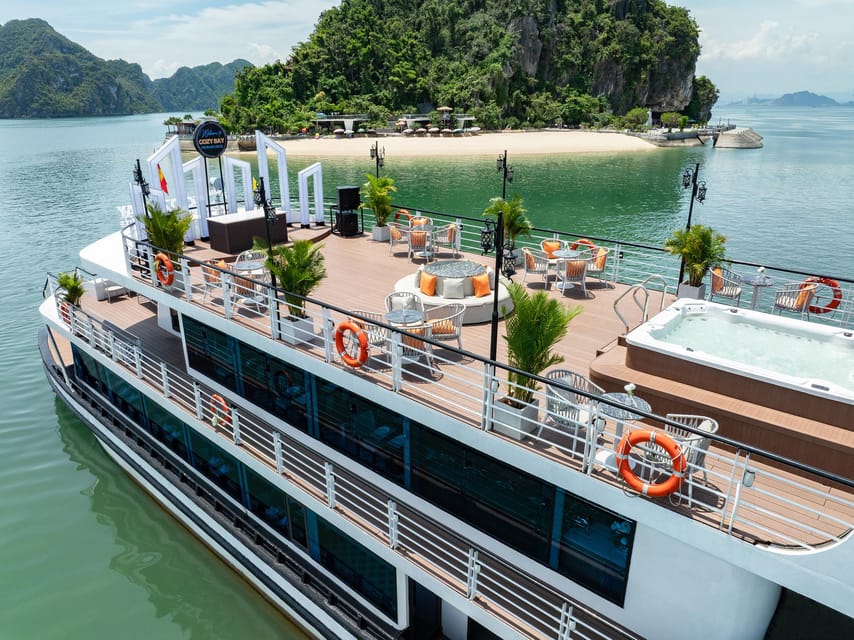
Overnight junks, wooden beauties hung with rice-paper lanterns, drop anchor at 2 a.m. beside Cat Ba Island's squid-boat fleet. Green deck-lights turn the bay into a jar of fireflies. Back on shore, the night market along Vuon Dao Street fires up charcoal-grilled oysters for 15,000 VND (60¢) apiece and sugarcane juice that tastes like liquid sunlight.
July brings sudden squalls that cancel boats without notice, and limestone humidity clings like wet wool. Still, when dawn lifts the mist off Ba Hang fishing village and first pink light strikes those impossible karsts, you understand why Vietnamese poets have praised this place for a thousand years.
Travel Tips
Transportation: The 2.5-hour luxury bus from Hanoi's My Dinh station costs 200,000 VND ($8) and drops you at Bai Chay pier, book the 7 a.m. departure to beat tour-bus traffic. Skip the pier taxis once you arrive; GrabBike works in Halong City at 15,000 VND (60¢) per kilometre and drops you straight at Hon Gai Beach. For island transfers, the public ferry to Cat Ba runs every hour, 80,000 VND ($3.20), and locals board first, tourists grab the last spots on the upper deck.
Money: Cash rules the bay. ATMs cluster around Bai Chay's Sun World complex. But withdrawal fees hit 50,000 VND ($2) per transaction, pull larger amounts at once. Smaller floating villages trade strictly in dong; a grilled squid skewer runs 10,000 VND (40¢) and they won't break a 500k note. Credit cards work at upscale hotels in Tuan Chau Marina. But expect a 3% surcharge. Carry small bills for boat snacks and cave entrance fees.
Cultural Respect: When boarding someone's fishing boat, step over the net never on it, nets are livelihoods and superstition runs deep. On overnight cruises, the crew sleeps below deck. Keep voices down after 10 p.m. At Sung Sot Cave, the 'money tree' isn't for tourists, locals tie red strings for safe voyages. Ask first, photograph second. Tipping isn't expected but 50,000 VND ($2) left on your bunk pillow scores extra mango at breakfast and crew stories about the war years.
Food Safety: Morning squid at Bai Chay market is safe if it's still moving,. Press the tentacle. Fresh squid twitches. Skip raw oysters sold from buckets at 11 a.m.; by then they're warm. Stick to stalls grilling over mangrove charcoal, the smoke kills bacteria and adds a sweet, almost vanilla note. Eat where the fishermen eat. The unnamed canteen behind Halong Hospital serves pho chua (sour noodle soup) for 35,000 VND ($1.40) and the cook boils her broth for six hours. Zero tourists, zero stomach issues.
When to Visit
March through May brings 22-28°C (72-82°F) days and glass-calm water, good for kayaking into Dark Cave without tour boats elbowing you out. Hotel rates jump 35% in April for Reunification Day crowds. Yet limestone cliffs explode with wild orchids. June-August hits 30-35°C (86-95°F) with sudden 4 p.m. thunderstorms that cancel boat trips.
Prices drop 25% and the bay empties of selfie sticks. September-October cools to 25°C (77°F) and delivers the clearest visibility, sunrise on Titop Beach looks like someone cranked the saturation. November-February runs 15-20°C (59-68°F) and feels like Scottish drizzle. Mist photographs beautifully but hides the karsts after 9 a.m.
Tet in late January/early February triples prices and fills every junk with karaoke. The sweet spot: late March or mid-October, warm enough to swim, cool enough to climb Bai Tho Mountain without melting, and cruise boats still have elbow room on deck. Budget travelers save 40% by coming in early September when schools reopen and Chinese tour groups vanish overnight.
More Ways to Experience Halong
Tours, day trips, and local experiences curated by on-the-ground operators.
Didn't see anything interesting yet?
Browse Viator's full catalog of tours, day trips, food experiences, and private guides in Halong.
See All Halong Tours on Viator